
Cryptocurrencies are growing fast, offering exciting opportunities for beginners and seasoned investors alike. But with this growth comes a rise in scams preying on new users. Fraudsters are constantly finding new ways to exploit trust and steal funds, making it crucial to stay informed. By understanding how these scams work and knowing the warning signs, you can protect yourself and your investments. Discover essential tips to avoid cryptocurrency scams and safeguard your digital assets.
Understanding Cryptocurrency Scams
Cryptocurrency scams are schemes designed to steal your digital assets or trick you into revealing sensitive personal information. These fraudsters often prey on beginners who might be unfamiliar with how the cryptocurrency ecosystem operates. Scammers aren’t just targeting your wallet—they exploit your trust, emotions, and desire to profit quickly. Here’s what you need to know to identify these traps and stay safe. Learn how to avoid cryptocurrency scams by identifying common red flags.
Common Types of Cryptocurrency Scams
There’s no shortage of inventive ways scammers try to steal crypto assets. Always verify sources and platforms to avoid cryptocurrency scams effectively. Here are some of the most notorious scams you should be aware of:
- Phishing Scams: These scams involve fake websites or emails designed to trick you into entering your wallet information or private keys. Once they have access, they drain your funds immediately.
- Ponzi or Pyramid Schemes: These scams promise high returns with minimal risk, but profits are paid using new investors’ money, not actual profits. At some point, the scheme collapses, leaving most participants at a loss. Learn more about common cryptocurrency scams here.
- Fake Wallets: Scam developers release fraudulent wallet apps that look legitimate. When users transfer cryptocurrency into them, the funds disappear.
- Fake Exchanges: Unsupported or unregistered cryptocurrency exchanges offer “too-good-to-be-true” trading fees or investment opportunities. These platforms often vanish once they’ve collected users’ assets.
- Pump-and-Dump Schemes: Scammers inflate the price of a cryptocurrency by making false claims, urging people to buy in. Once the price skyrockets, they sell all their holdings, causing value to crash.
- Giveaway Scams: These often occur on social media, where impostors mimic celebrities or influencers, promising to “double” your cryptocurrency if you send them funds first. Spoiler: the funds are never doubled; they’re just stolen.
Staying aware of these scams is the first step in protecting yourself from losing your investments. To explore more, check out this detailed guide on scam types.
Red Flags to Watch Out For
Recognizing the warning signs of a scam is key. Fraudsters often use specific tactics to make their schemes appear legitimate. Stay informed about emerging threats to avoid cryptocurrency scams in 2024. Look out for the following:
- Unsolicited Messages: If you receive random messages on platforms like Telegram or Facebook, especially urging you to invest, be cautious.
- Promises of Guaranteed High Returns: Legitimate investments don’t guarantee profits. Be wary of anyone claiming you’ll make a fixed percentage return in a short time.
- Unverified Platforms: Always research exchanges or wallets before using them. Lack of proper documentation or user reviews is a major red flag. Check out this official document on crypto scam red flags.
- Urgency Tactics: Scammers create a false sense of pressure to act quickly by saying an offer is “time-limited” or threatening your investments.
Scam detection often starts with common sense. If something doesn’t feel right or seems too good to be true, it’s worth investigating further.
The Psychological Tactics Behind Scams
Scammers are masters at manipulating human emotions. They use psychological tricks to catch you off guard and push you into risky decisions. Avoid cryptocurrency scams by researching any investment opportunity thoroughly.
- Fear: Some scams prey on your fear of missing out (FOMO) or losing money. For example, fraudulent exchanges might claim your account is at risk to trick you into sharing sensitive information.
- Urgency: Scammers build stress, telling you that an investment opportunity will end soon or that you must act immediately to “fix” an issue.
- Greed: The promise of quick profit taps into our natural desire for financial gain. They’ll use convincing testimonials or fake screenshots to lure you in.
These tactics work because they trigger emotional responses rather than logical thinking. Learn more about the psychology of manipulation in scams here.
By understanding these psychological strategies, you’ll be better prepared to recognize and resist them. Remember, scammers depend on impulsive decisions—so take your time, do your research, and don’t let emotions guide your actions. Never trust get-rich-quick schemes if you want to avoid cryptocurrency scams.
Protecting Your Cryptocurrency Investments
As the popularity of cryptocurrencies continues to grow, so do the risks. Knowing how to safeguard your investments isn’t just a smart move—it’s essential. From securing your digital wallet to staying updated on cybersecurity measures, taking the right precautions can help you avoid falling victim to scams or errors that could cost you dearly. Here are some key strategies to protect your cryptocurrency investments. Protect your private keys and wallets to avoid cryptocurrency scams and hacking attempts.
Securing Your Digital Wallet
A secure wallet is your first line of defense when it comes to protecting your cryptocurrency. Think of it as your digital safe: it holds your digital assets and must be kept secured from cybercriminals. Avoid cryptocurrency scams by using only reputable exchanges and wallets.
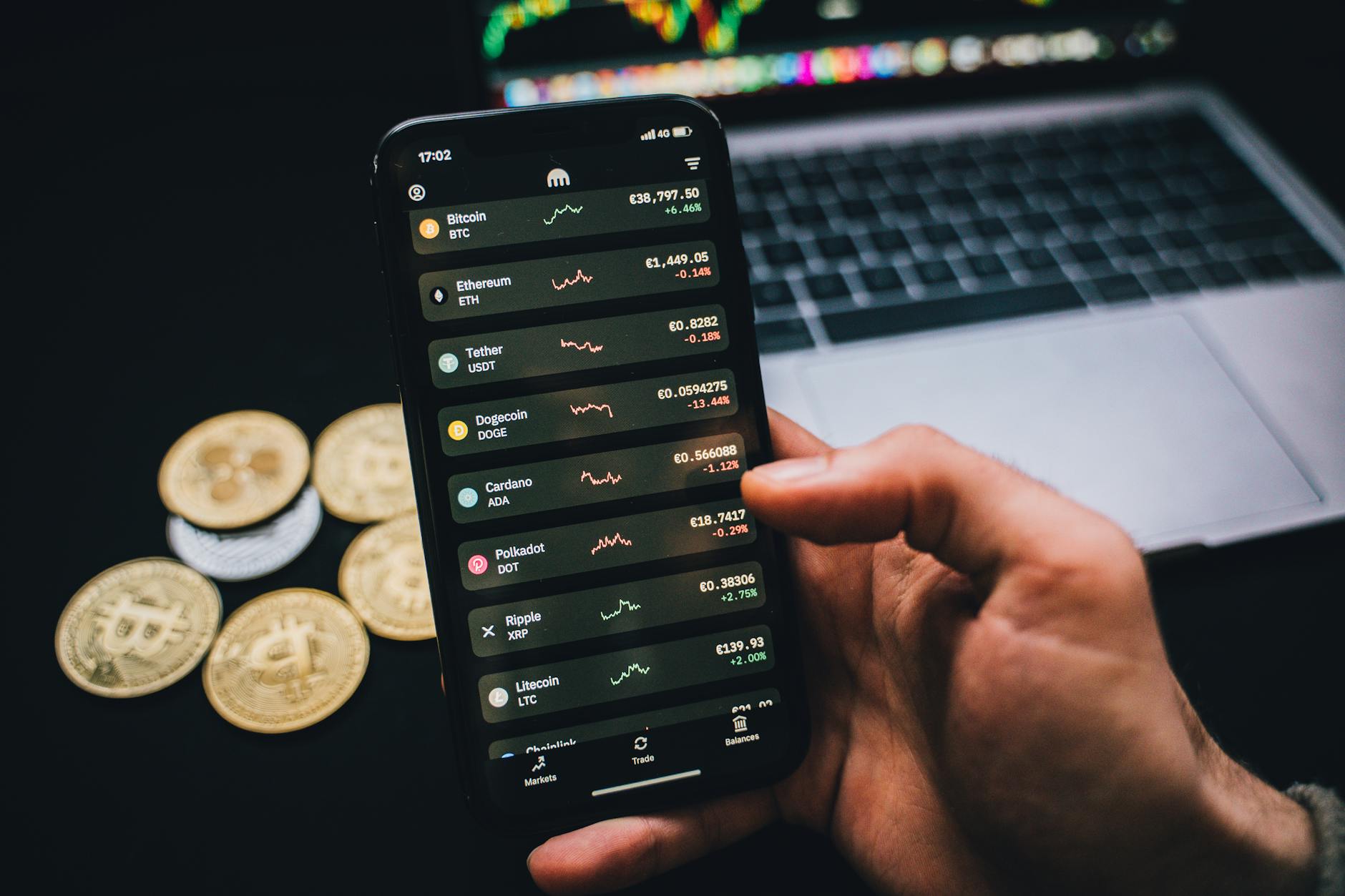
Photo by Alesia Kozik
- Use Hardware Wallets: These are offline devices, also known as cold wallets, making them immune to online hacks. Popular brands like Ledger and Trezor are commonly used.
- Enable Two-Factor Authentication (2FA): Always add an extra layer of security to your wallets and exchange accounts by using 2FA. Apps like Google Authenticator or Authy make this process seamless.
- Keep Private Keys Offline: Store your private keys on paper or a secure offline medium like an encrypted USB drive. Never share them with anyone or store them on your device.
For additional ideas on wallet security, this guide on safeguarding cryptocurrency provides in-depth tips.
Conducting Thorough Research
Jumping into cryptocurrency investments without understanding them is like diving into deep waters without knowing how to swim. Research helps mitigate risks and ensures you’re making informed decisions. Educate yourself on phishing tactics to avoid cryptocurrency scams targeting users.
- Evaluate Exchanges, Wallets, and Projects: Check if the exchange is licensed and regulated. Platforms like Binance or Kraken often publish their security protocols.
- Read Community Feedback: Online forums and social media can be goldmines for insights from other investors. Keep an eye on review discrepancies or overly positive comments.
- Check the Team’s Credentials: A credible project will always disclose the team behind it. Look for LinkedIn profiles, past achievements, and associations with reputable organizations.
Ready to start researching responsibly? Learn from this step-by-step cryptocurrency research guide.
Using Reputable Exchanges and Platforms
Choosing where you buy, sell, and store your cryptocurrency is crucial. Unreliable exchanges are hotbeds for scams and theft, so always prioritize security and transparency. Always check for official domain names to avoid cryptocurrency scams and fake websites.
- Key Features of Trustworthy Platforms: Look for platforms with SSL encryption, multi-signature wallets, and insurance against theft. Popular options include Coinbase, Binance, and Kraken.
- User Reviews: Reviews on platforms like Trustpilot or Reddit can indicate whether a company delivers on its promises.
- Transparency: Legit exchanges provide clear fee structures and customer support. If a platform is vague about fees or processes, that’s a red flag.
For a curated list of secure exchanges, see this ranking of cryptocurrency exchanges by volume.
Staying Updated on Cybersecurity Practices
The world of cryptocurrency evolves fast, and so do cyber threats. Staying informed is a battle against the ever-changing tactics used by cybercriminals to exploit users. Be cautious of unsolicited investment offers to avoid cryptocurrency scams and fraud.
- Learn About New Scams: Follow trusted crypto news platforms and organizations like the Cybersecurity and Infrastructure Security Agency (CISA) to gain insights into emerging threats.
- Participate in Webinars and Workshops: Many online events cover best practices for crypto security. Joining them can help you stay ahead of potential risks.
- Employer Proven Techniques: Techniques like phishing protection, using VPNs, and regularly updating software are critical habits to adopt.
For a real-time view of what’s happening in crypto cybersecurity, explore this beginner-level cybersecurity guide for crypto.
By implementing these precautions, you’ll be far better equipped to safeguard your digital investments and navigate the cryptocurrency world with confidence. Avoid cryptocurrency scams by double-checking URLs before logging into any platform.
Ready to dive into Bitcoin? Click here to learn how to buy your first BTC in 2025—safely and easily!
What To Do If You’re a Victim of a Cryptocurrency Scam
Falling victim to a cryptocurrency scam can feel devastating, but there are immediate actions you can take to potentially recover some of your funds and minimize further damage. Acting quickly and systematically is key. Here’s how you can respond if you’ve been targeted. Learn about rug pulls and Ponzi schemes to avoid cryptocurrency scams successfully.
Reporting the Scam to Authorities
The first step when you realize you’ve been scammed is to report it to the proper authorities. This not only increases the chances of catching the scammer but helps to protect others from falling into the same trap. Avoid cryptocurrency scams by never sharing sensitive financial information online.
- File a report with the FBI’s Internet Crime Complaint Center (IC3): This platform specializes in addressing cryptocurrency-related scams and cybercrime. Learn more about reporting scams to the IC3 here.
- Contact your local law enforcement: Even if the scam involves international transactions, your local authorities can guide you through the process of escalating the case properly.
- Notify the Federal Trade Commission (FTC): The FTC monitors consumer fraud, including cryptocurrency scams. You can report incidents via their official cryptocurrency scam page.
- Reach out to your country’s financial regulatory agency: Many governments have entities devoted to financial fraud. For example, in the U.S., the Securities and Exchange Commission (SEC) often publishes warnings about fraudulent crypto activities.
Reporting early reinforces the collective fight against online scammers, even if full restitution isn’t assured.

Photo by Markus Winkler
Contacting Your Exchange or Wallet Provider
If your cryptocurrency was stolen from an exchange or wallet, you should contact their support team immediately. These platforms have protocols in place to handle such scenarios. Use two-factor authentication to strengthen security and avoid cryptocurrency scams.
- Freeze your account: Request that your account is frozen to prevent further unauthorized activities.
- Provide transaction details: Share all relevant transaction information, including dates, amounts, and wallet addresses. Some platforms can trace transactions across the blockchain.
- Ask about recovery services: Although they can’t always guarantee refunds, some exchanges have partnerships with recovery agencies.
For instance, notifying exchanges like Coinbase or Binance promptly can improve your odds of limiting the damage. Platforms like IC3 also suggest reaching out to wallet providers for any hacking-related losses. Always read user reviews before investing to avoid cryptocurrency scams and losses.
Preventing Future Loss
Going through a scam is an eye-opener that stresses the importance of staying vigilant. Avoid cryptocurrency scams by staying updated on the latest fraud tactics. Here are steps you can take to prevent any future mishaps:
- Educate Yourself on Scams: Learn about common fraud strategies such as phishing, fake wallets, or Ponzi schemes through resources like this cryptocurrency scam guide.
- Upgrade Security Measures: Use hardware wallets for your holdings, enable two-factor authentication (2FA), and never share your private keys with anyone.
- Double-Check Offers & Platforms: Skepticism is your best defense. Always verify the legitimacy of exchanges, wallets, or investment opportunities before sharing personal or financial information.
- Stay Updated on Crypto Fraud Trends: Keeping up with the latest threats is crucial. Platforms like Aware offer tips on emerging scams and preventive actions.
By making these changes, you not only protect your assets but also strengthen your confidence to safely navigate the cryptocurrency market.
Resources for Further Education
Staying informed and expanding your knowledge base is essential for navigating the ever-evolving cryptocurrency space safely. Let’s explore some trusted platforms and communities that help beginners and seasoned investors stay ahead of scams and make informed decisions. Verify influencer endorsements before investing to avoid cryptocurrency scams.
Trusted Cryptocurrency News Outlets

Photo by RDNE Stock project
Staying up to date is one of the best ways to stay safe. Accurate and timely updates from trustworthy news outlets can help you spot red flags and recognize potential scams. Be skeptical of unrealistic profit guarantees to avoid cryptocurrency scams easily. Here are some of the most reliable sources:
- CoinDesk: Known for its comprehensive coverage of cryptocurrency and blockchain technology, CoinDesk provides breaking news, research, and analysis.
- CoinTelegraph: This platform blends professional journalism with visually engaging infographics on market trends, new projects, and scams.
- The Crypto Basic: A favorite for those seeking straightforward updates without fluff.
If you’re just starting, utilizing these reliable outlets can help you stay informed about scams and learn legitimate investing methods.
Educational Platforms and Courses
Formal education in cryptocurrency can help solidify your understanding while building skills to analyze the market critically. Luckily, many platforms offer dedicated courses:
- Udemy: Offers affordable, on-demand cryptocurrency courses taught by industry professionals. It’s great for learning blockchain basics, advanced trading tactics, and more.
- Coursera: This platform partners with universities to deliver free and premium courses, covering both blockchain theory and practical applications like cryptocurrency security.
- Binance Academy: A free resource offering beginner to advanced-level tutorials. It’s perfect for anyone focusing on cryptocurrency education while staying scam-aware.
With these resources, you can build a sturdy knowledge foundation to identify legitimate opportunities and avoid falling prey to scams.
Forums and Community Groups
Forums and community groups allow direct interaction with experienced crypto enthusiasts who can share insights, tips, and scam warnings. These platforms also promote real-time discussions on trending issues:
- Reddit’s Cryptocurrency Community: This subreddit provides insightful discussions and news about crypto scams, offering a space to ask questions and learn from others’ experiences.
- Top Crypto Telegram Groups: Channels like Whale Alert deliver market updates, while other groups focus on scam prevention and curated investment strategies.
- Popular Discord Channels: Servers like ‘Axion Crypto-Community’ facilitate discussions, educational break-downs, and warnings about fraudulent activity.
Engaging in these communities can give you firsthand knowledge about scams and keep you updated on the evolving tactics hackers use.
With these resources, you can actively strengthen your understanding of the cryptocurrency ecosystem while staying vigilant against potential threats.
Conclusion
Staying safe in the cryptocurrency world starts with informed decisions and consistent vigilance. Recognizing the tactics scammers use and adopting protective habits can make all the difference in safeguarding your investments.
Always question offers that seem too good to be true, rely on trusted platforms, and stay informed about new threats. Education is your most powerful tool—keep learning and sharing knowledge to create a safer environment for everyone.
Your journey into cryptocurrency doesn’t have to be intimidating. Use what you’ve learned as your foundation for building secure and confident participation in this evolving space. Take action now to protect your future.